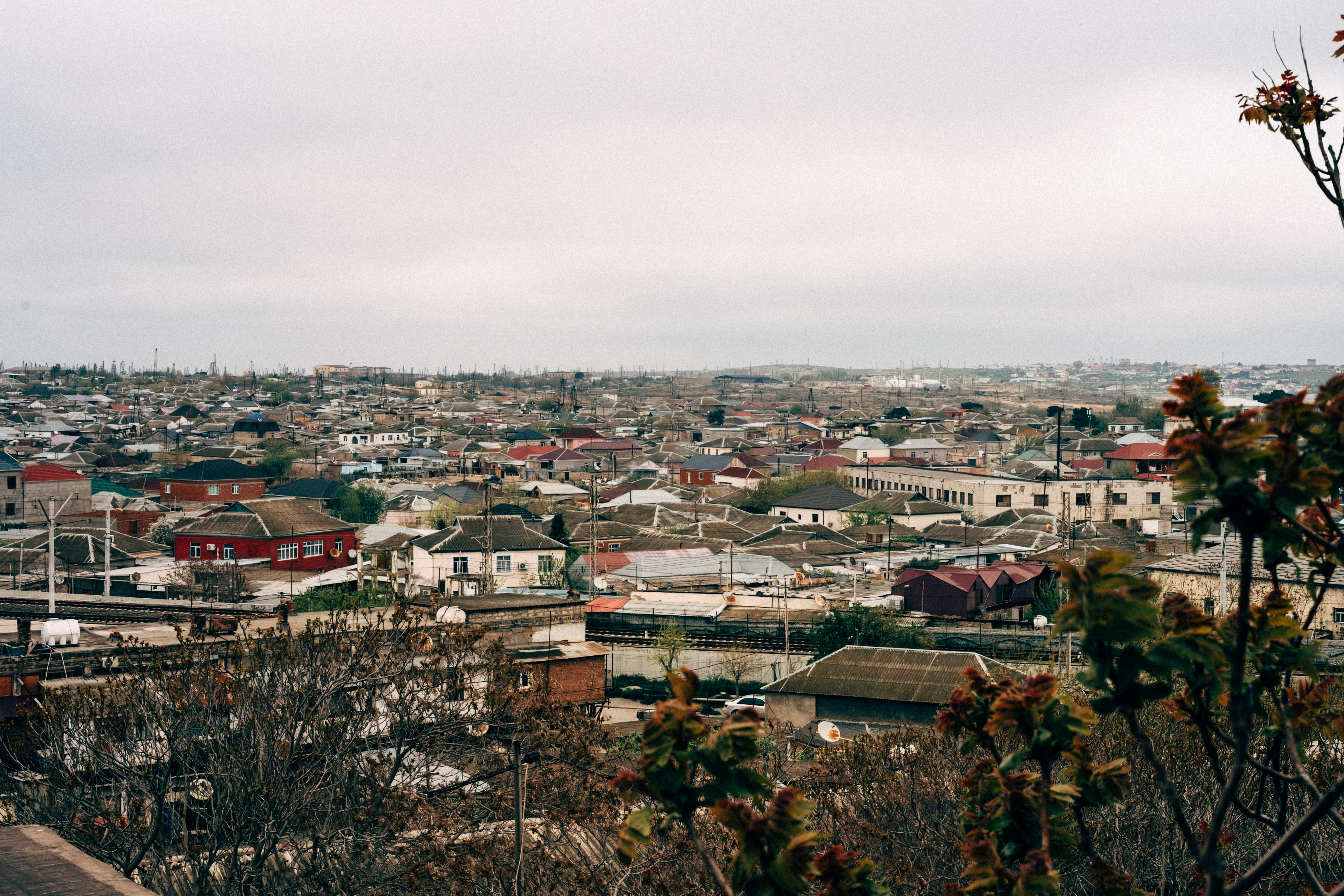
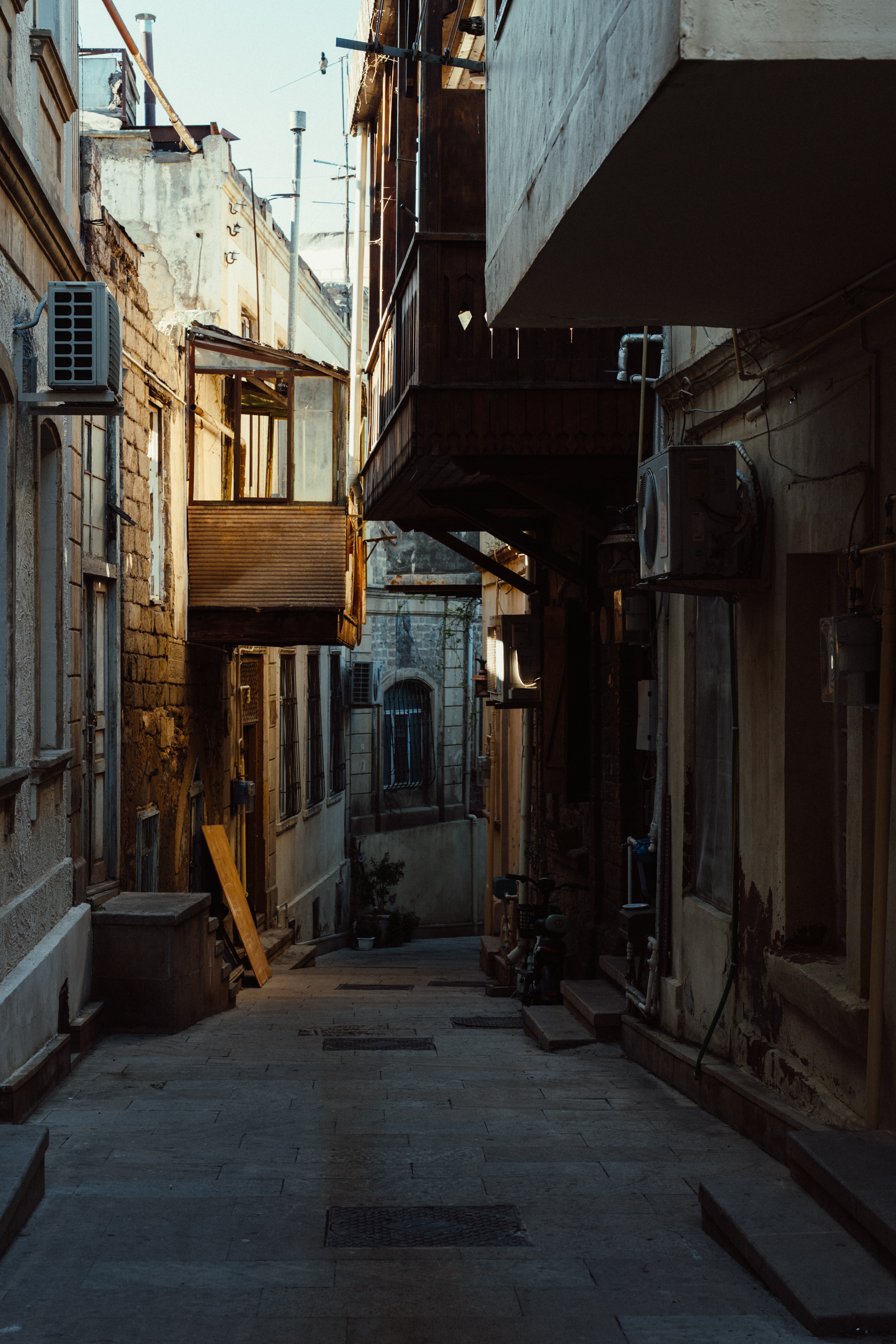
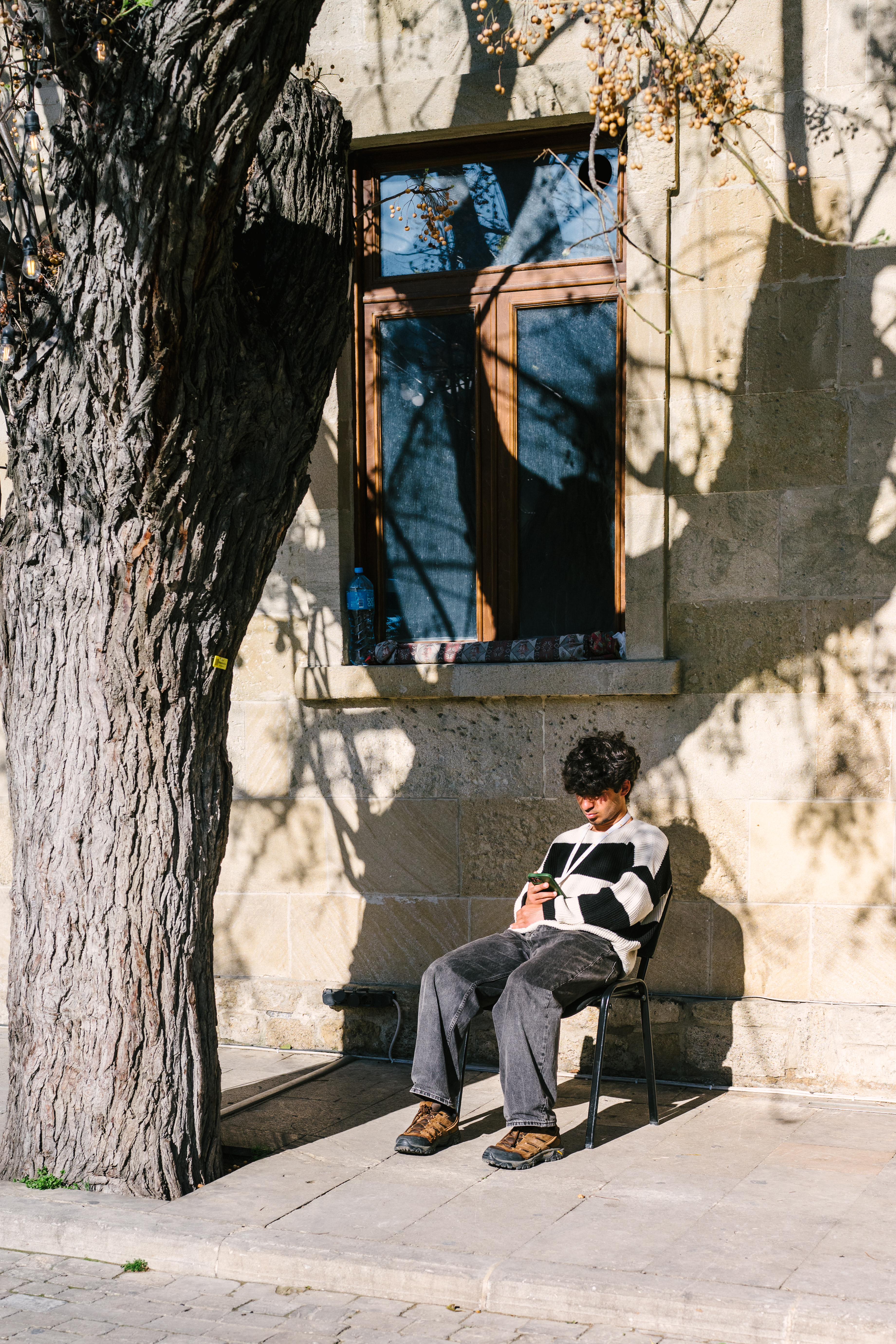
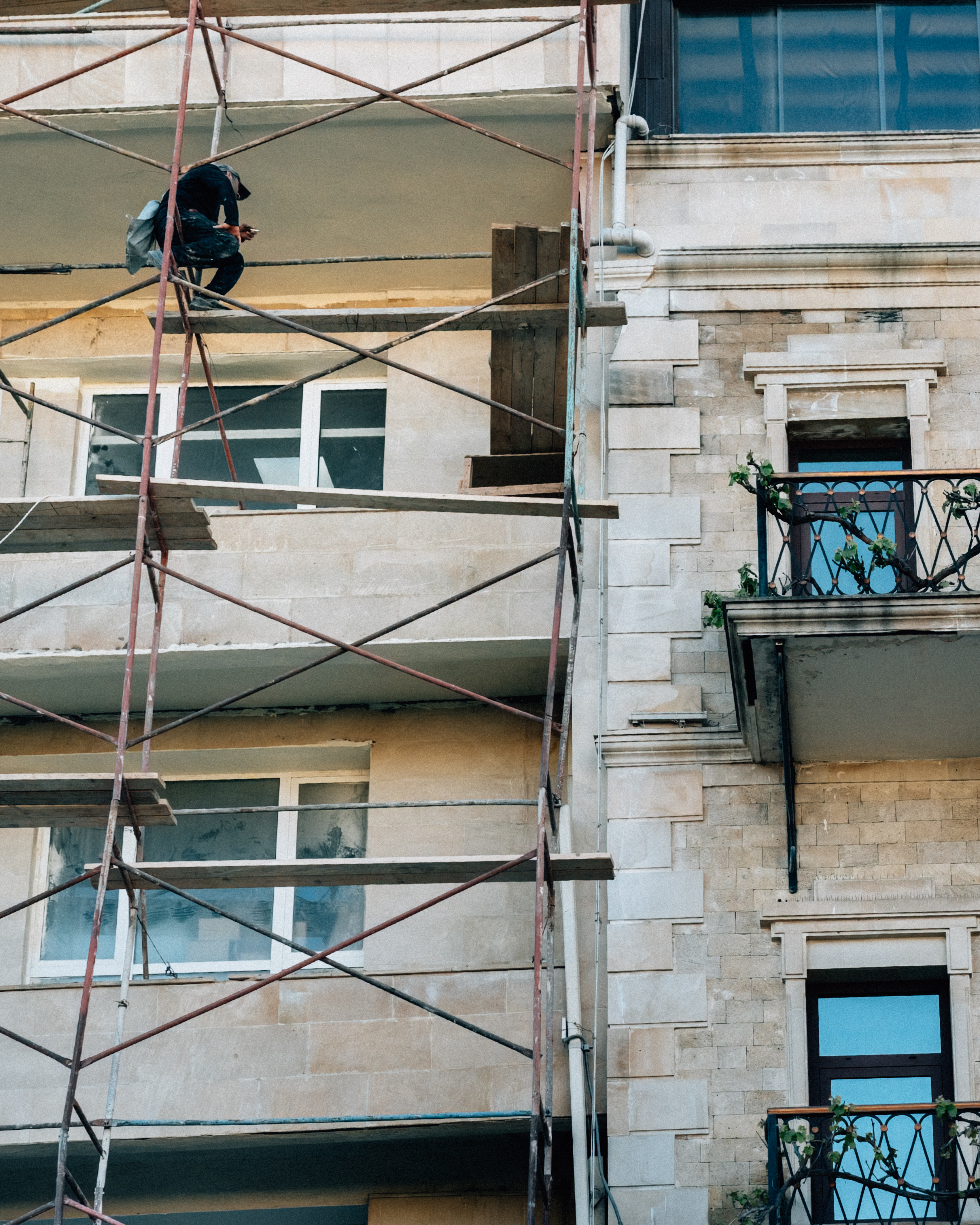
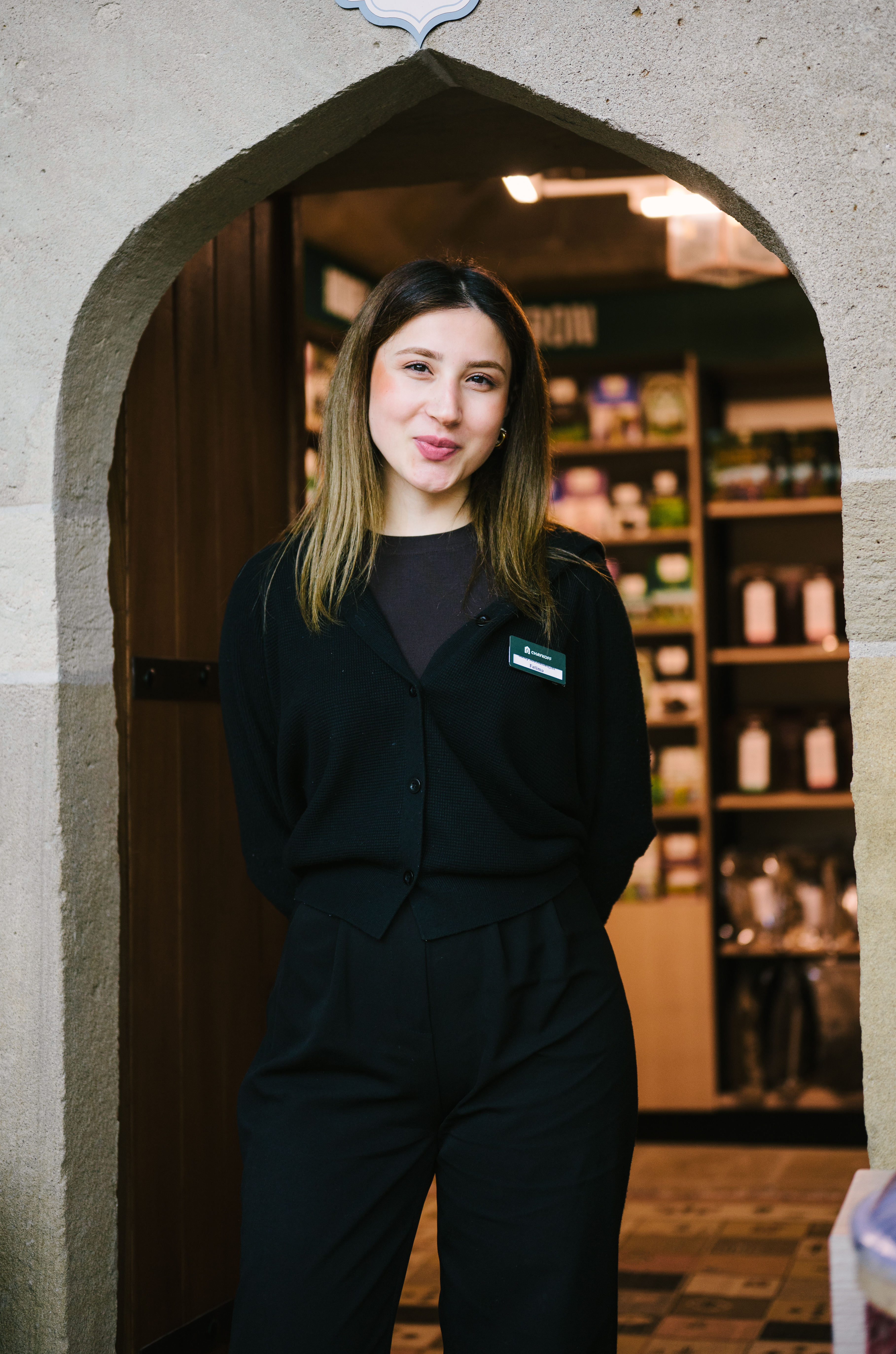
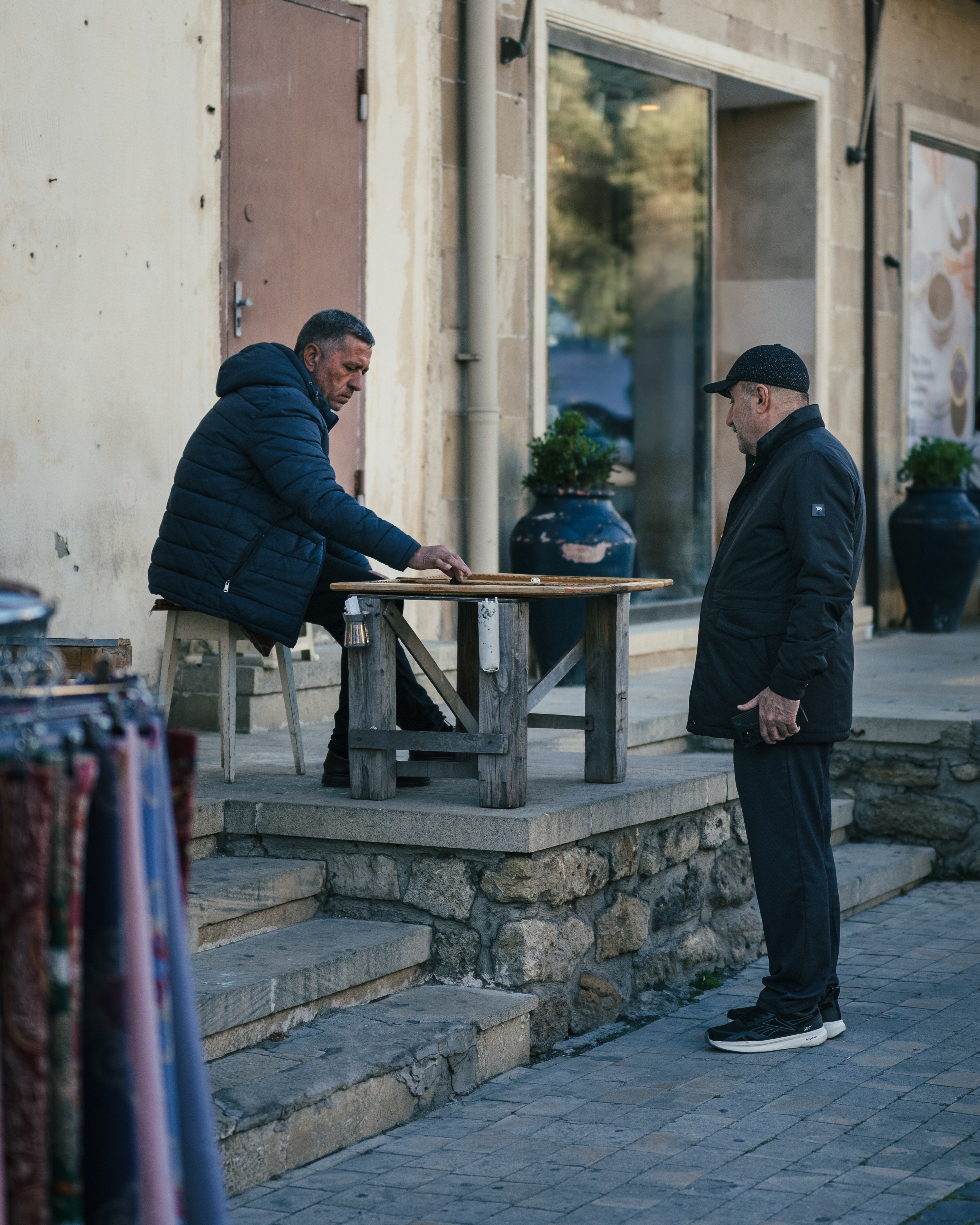
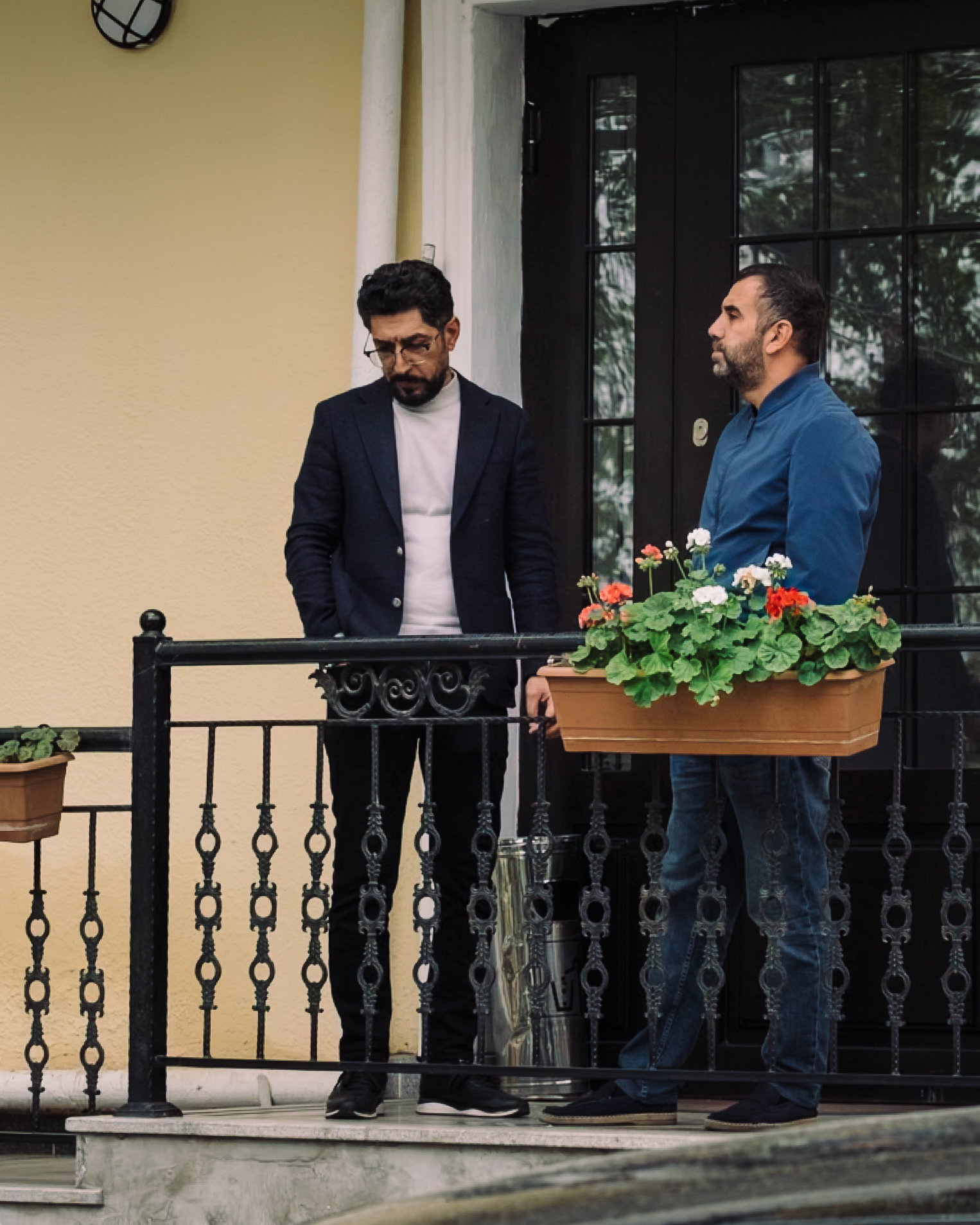
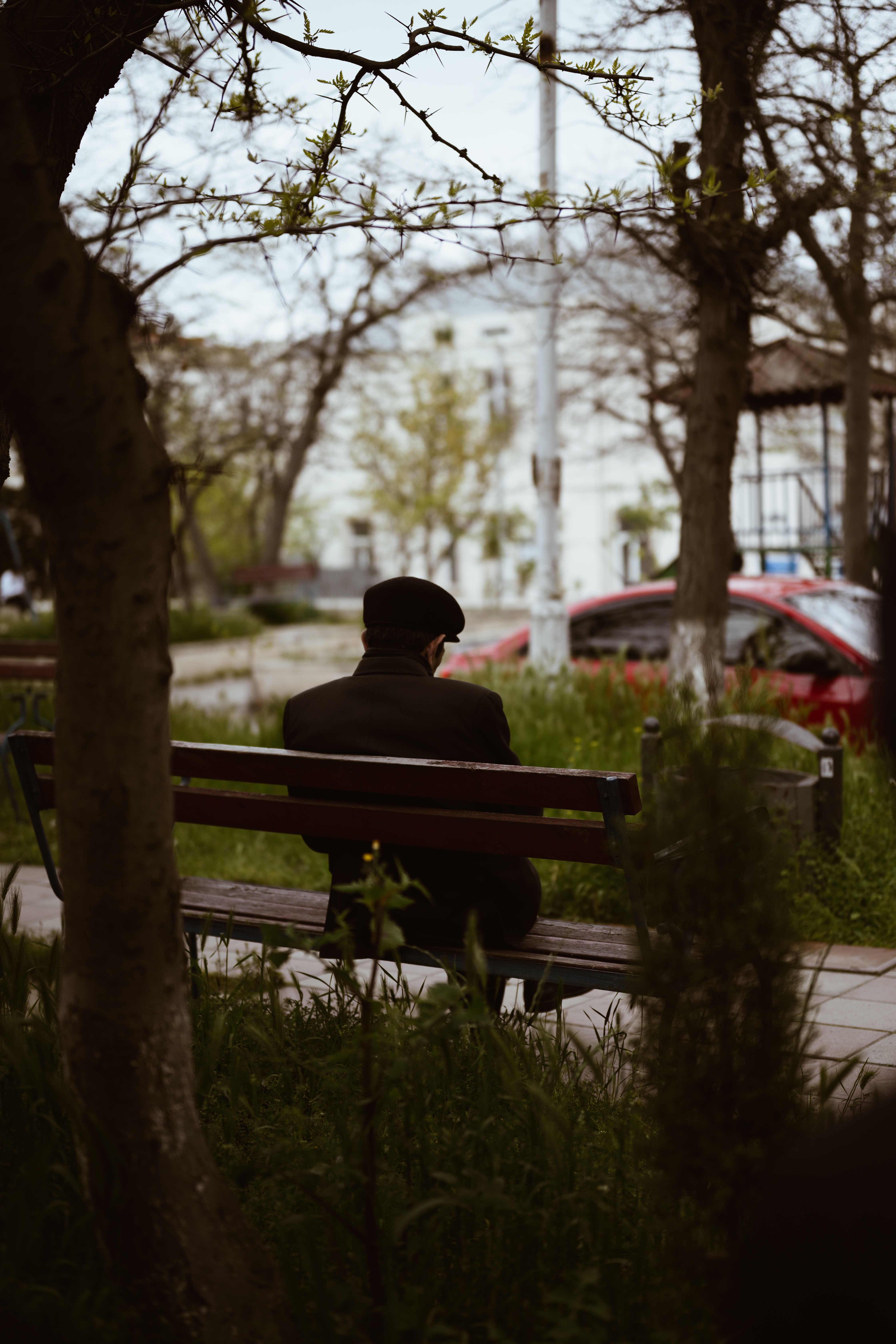
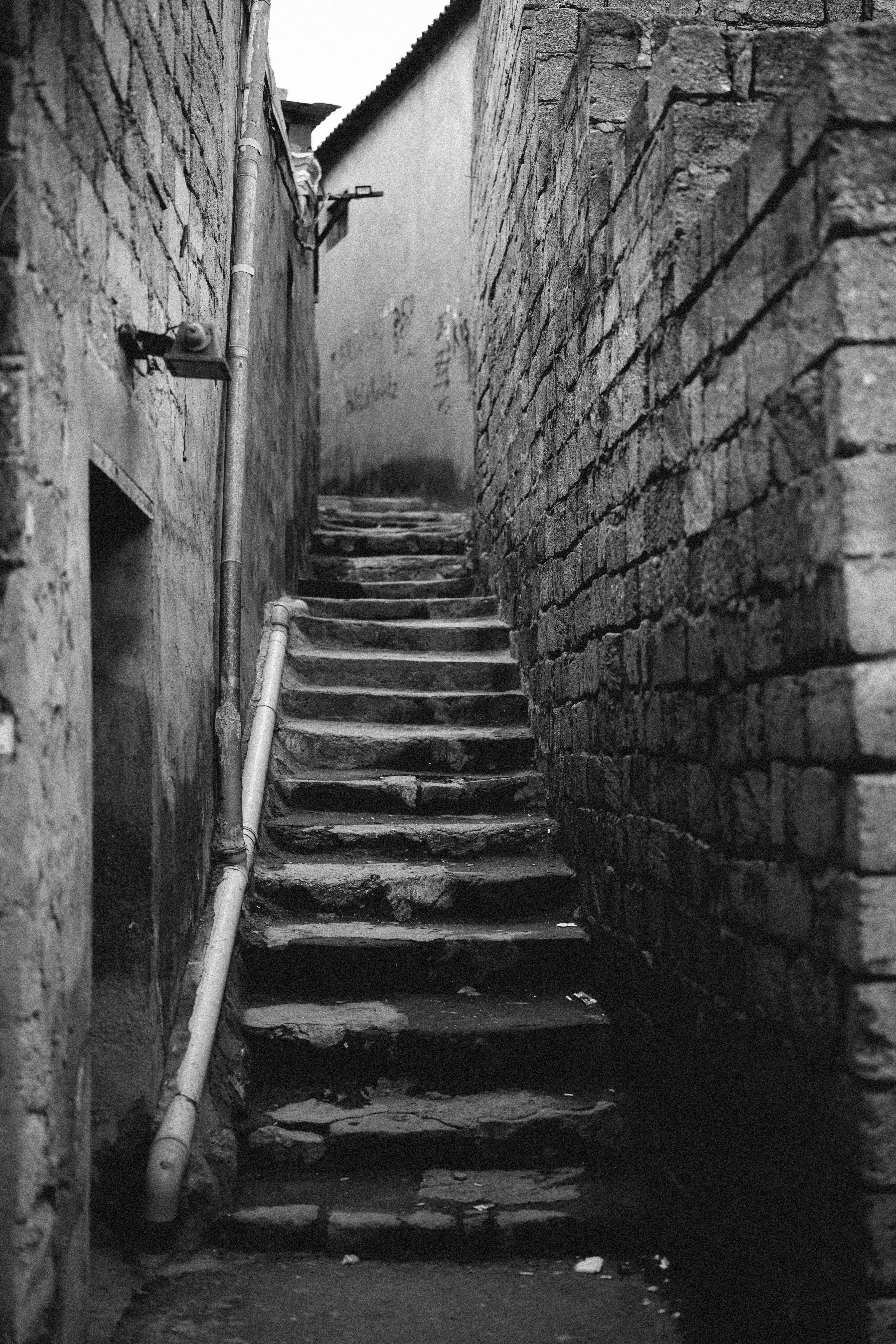
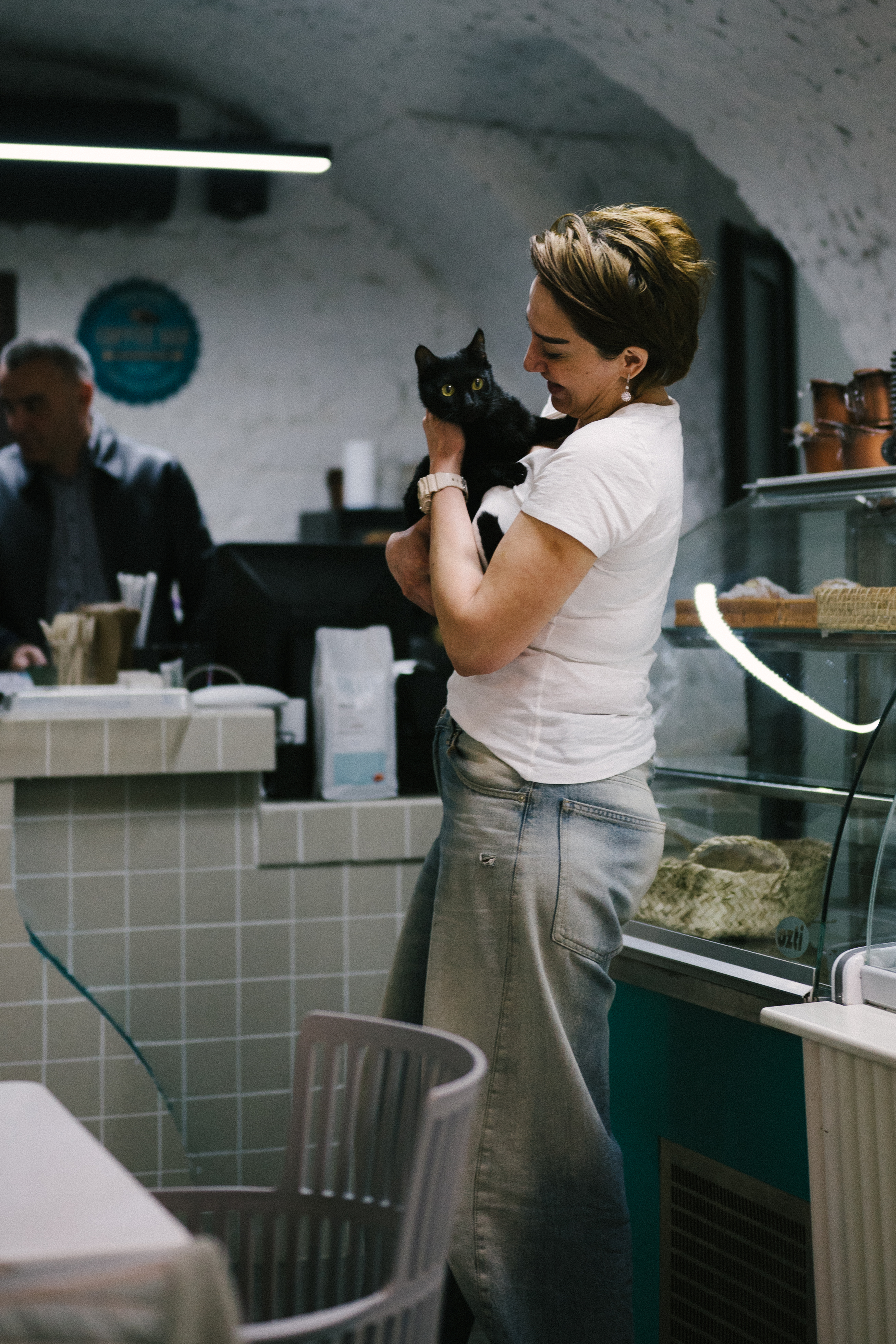
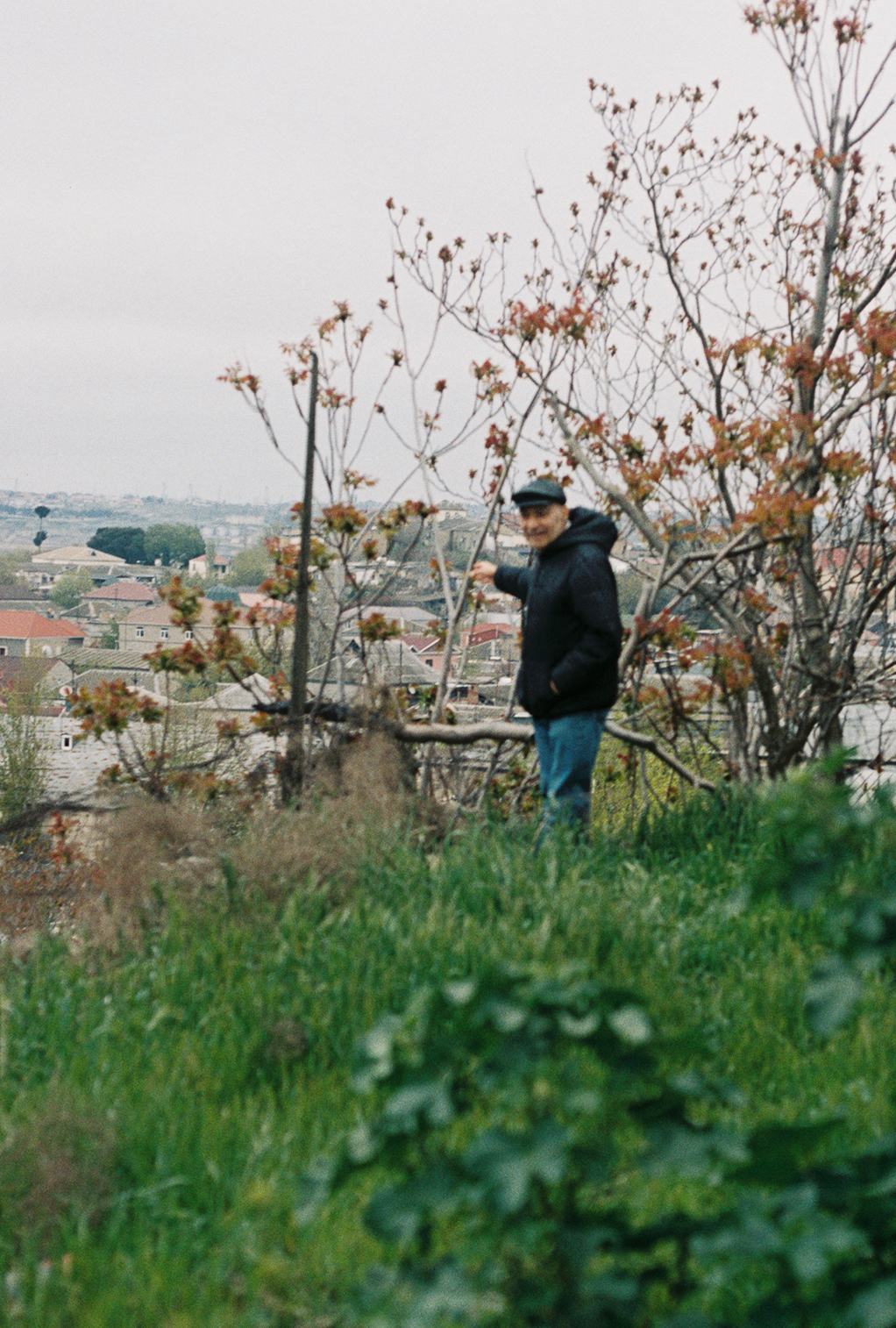
Baku, Azerbaijan
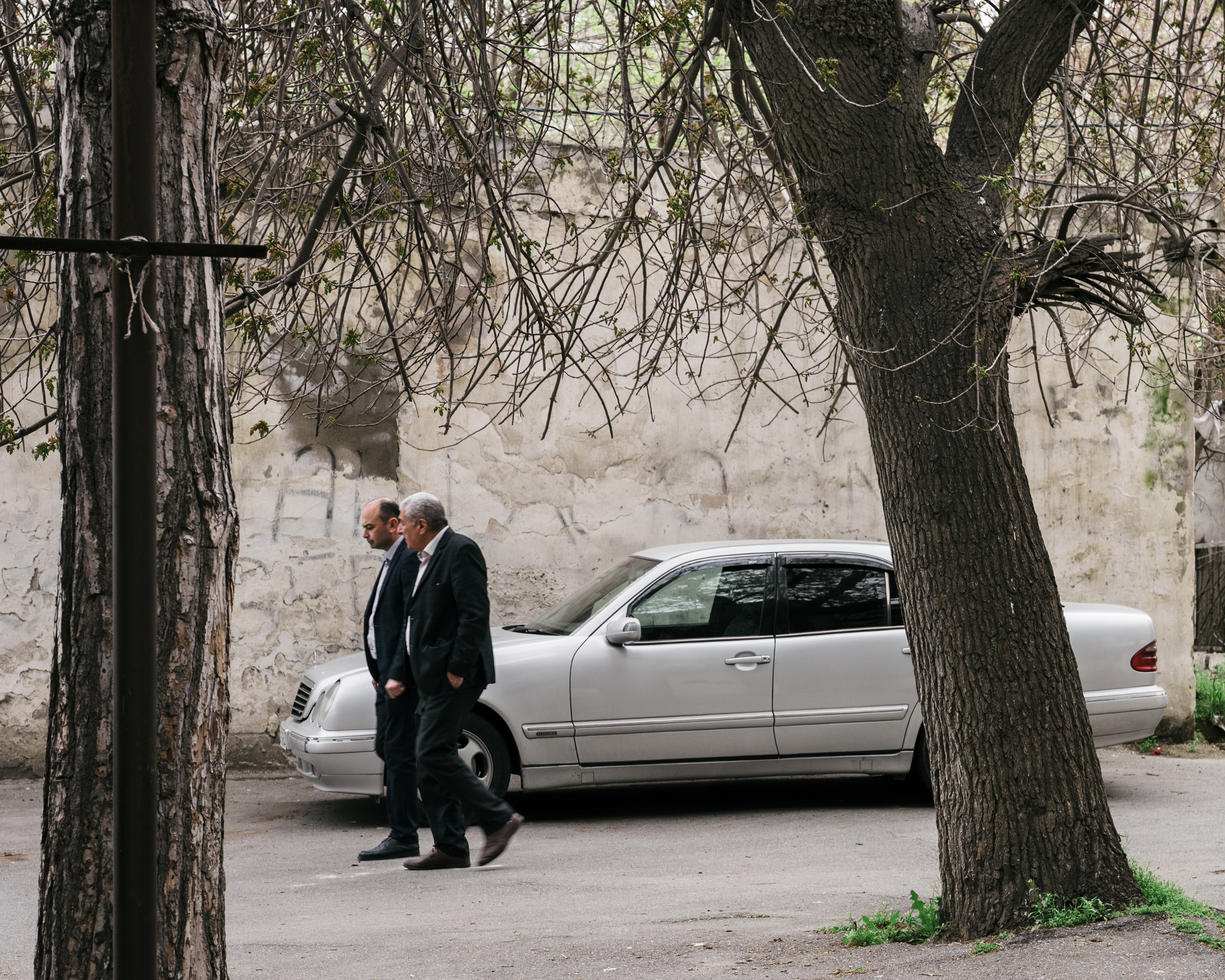
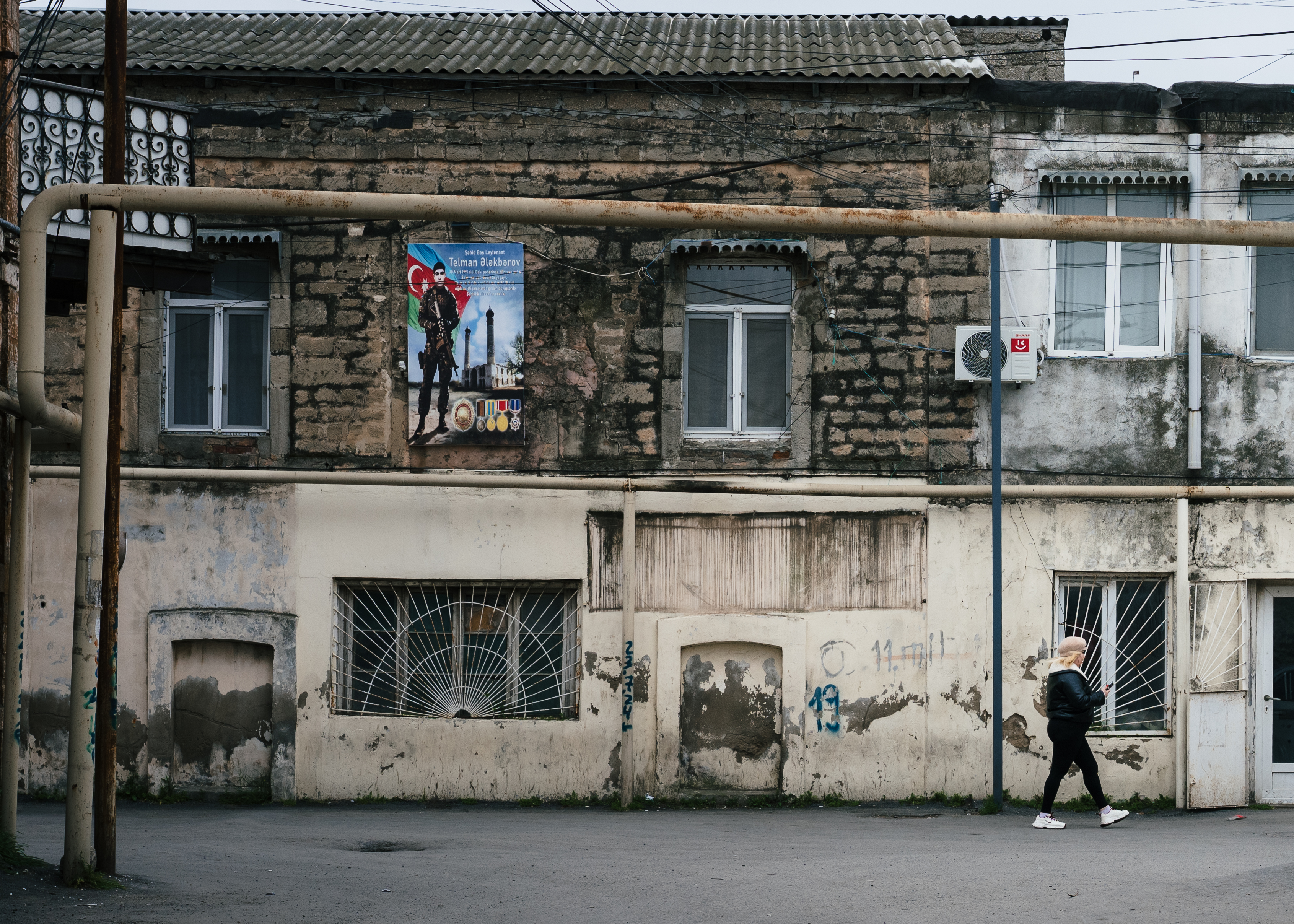
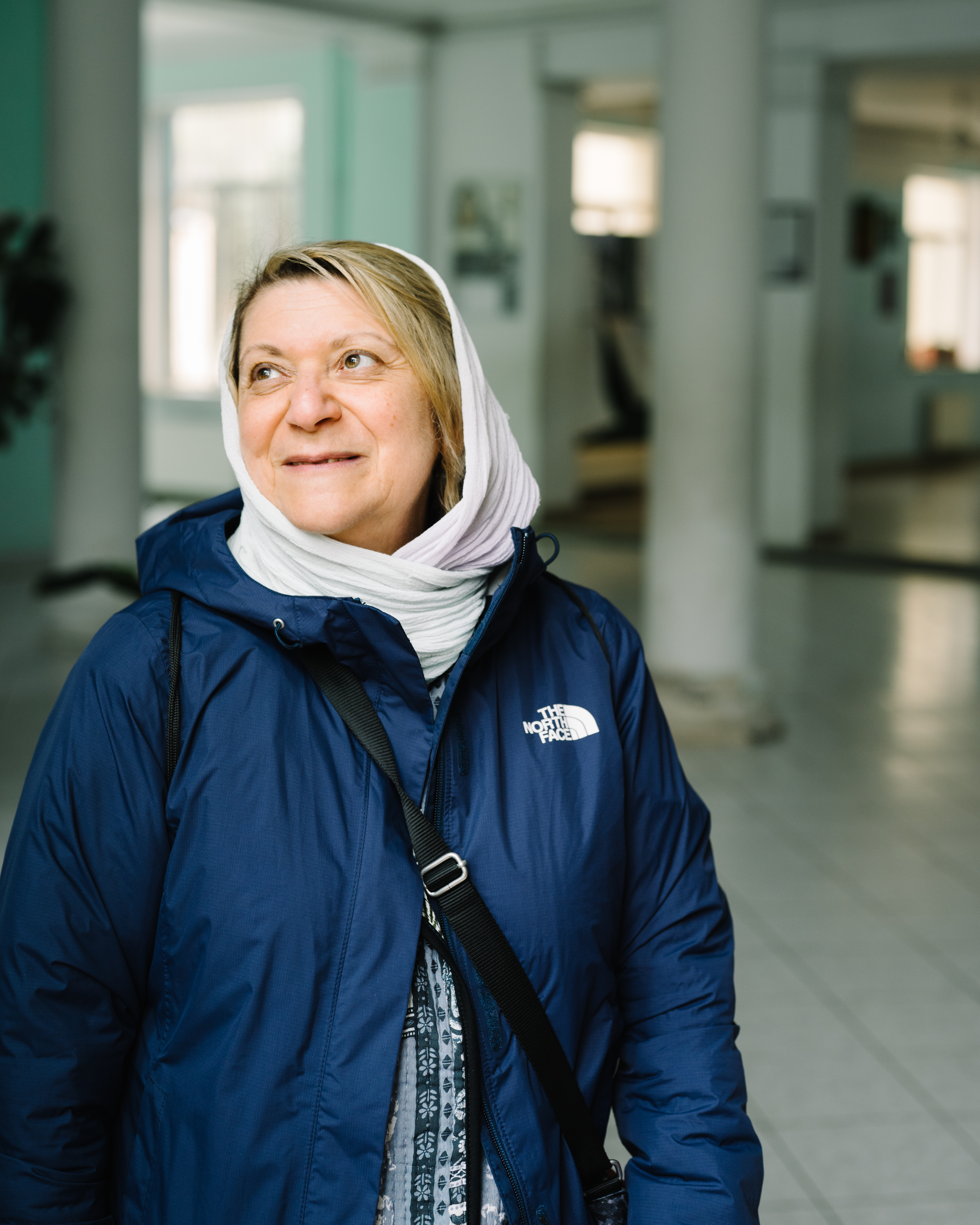
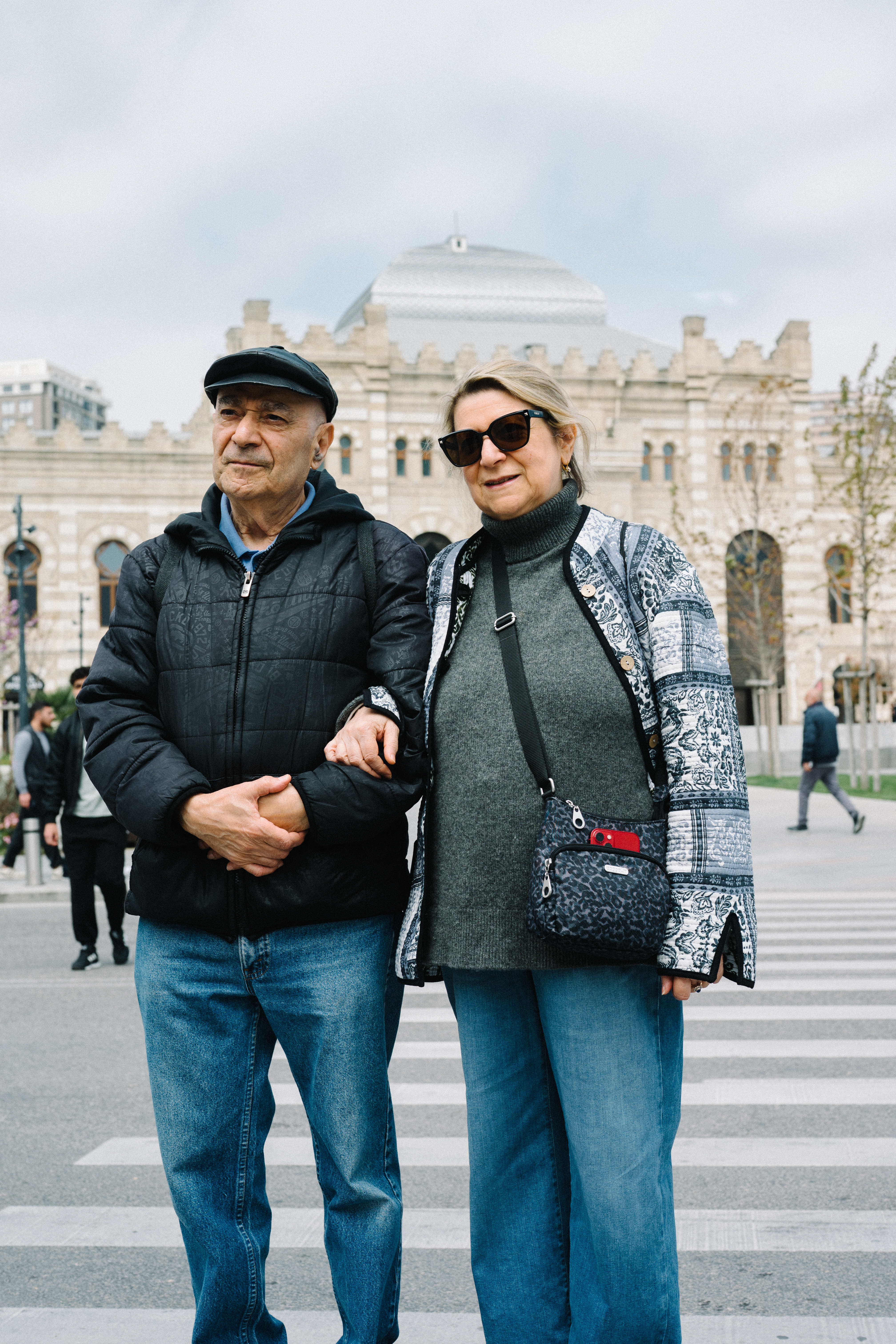
In 1992, the Soviet Union collapsed, and a period of unrest and uncertainty followed. My uncle told me stories of secretly going to the U.S. Embassy every day for months, waiting in line and hoping for an interview that might grant him refugee status and a path to America. He and my mom arrived in the United States late that year, and I was born in 1995. Neither of them had been back since. This trip was not only my first time visiting the country that shaped so much of their identity and culture; it was also their first time returning in more than 30 years.
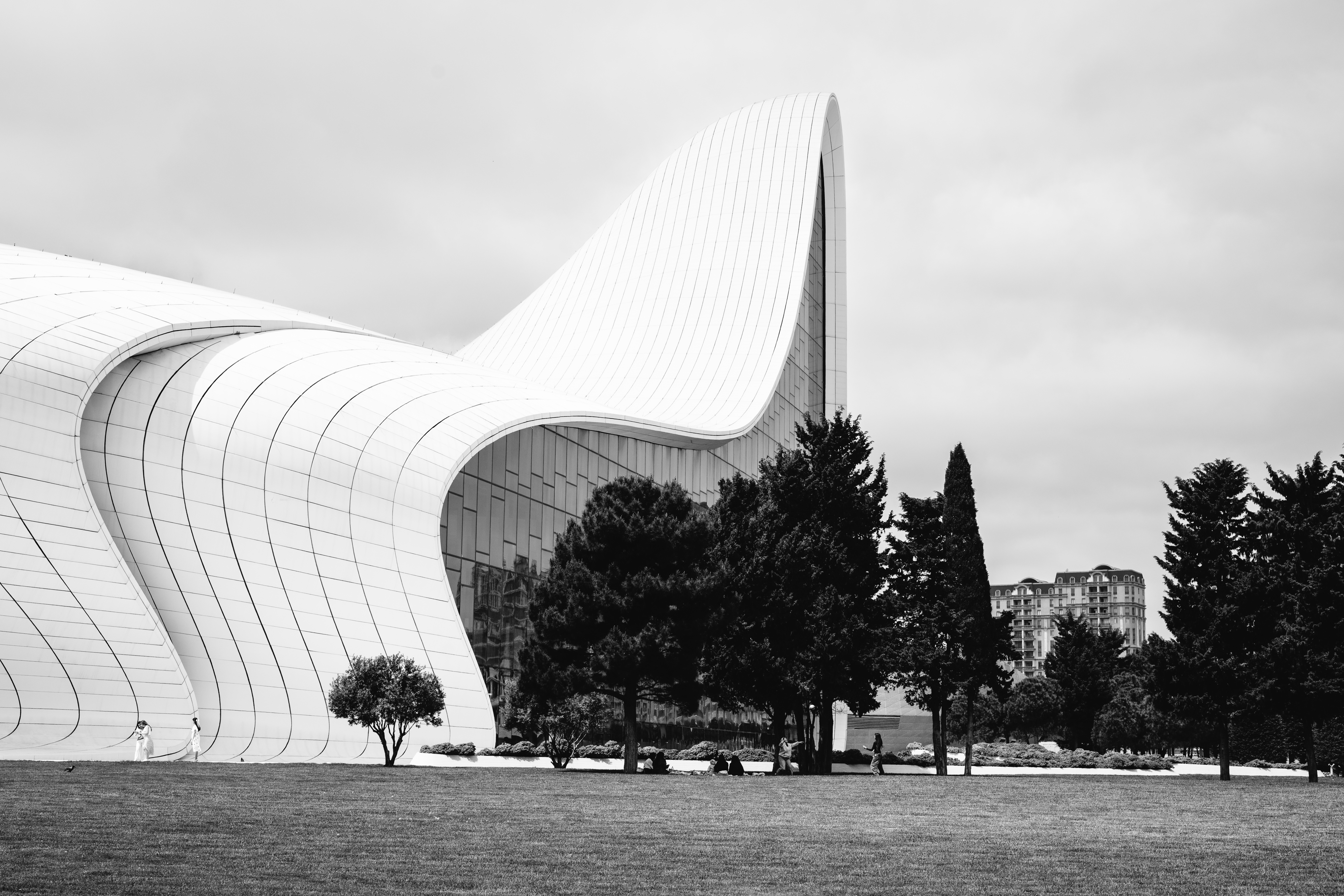
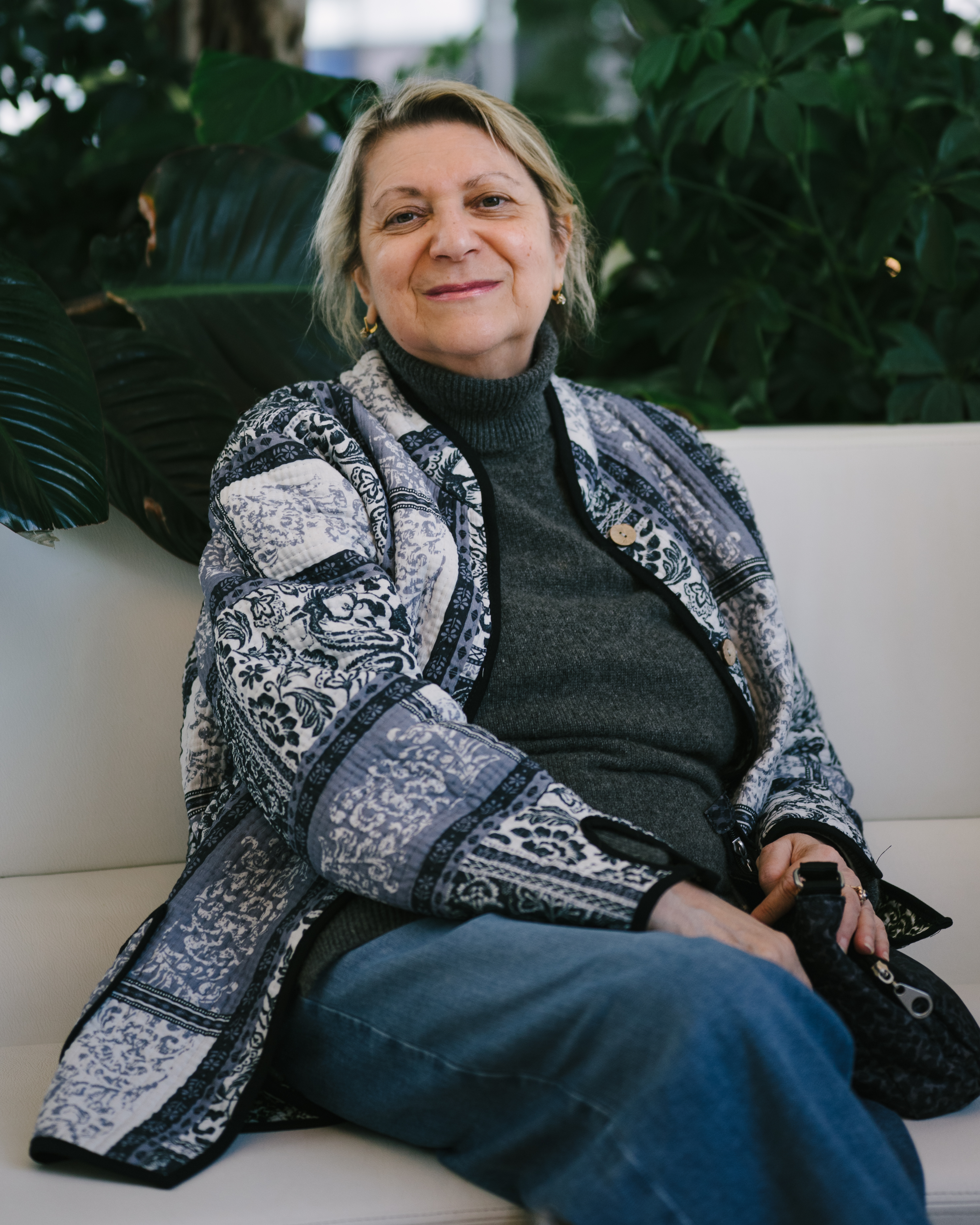
The trip meant so much to me because, growing up, I felt deeply connected to my mom’s culture. My dad had no family of his own, so our home was Azeri. My only living grandparents were on my mom’s side, and the food we ate at home was Azeri. But I was still very American, and sometimes I felt that distance between my mom and me. I’m deeply grateful to have grown up with her culture at home, and I had always felt drawn to Baku.
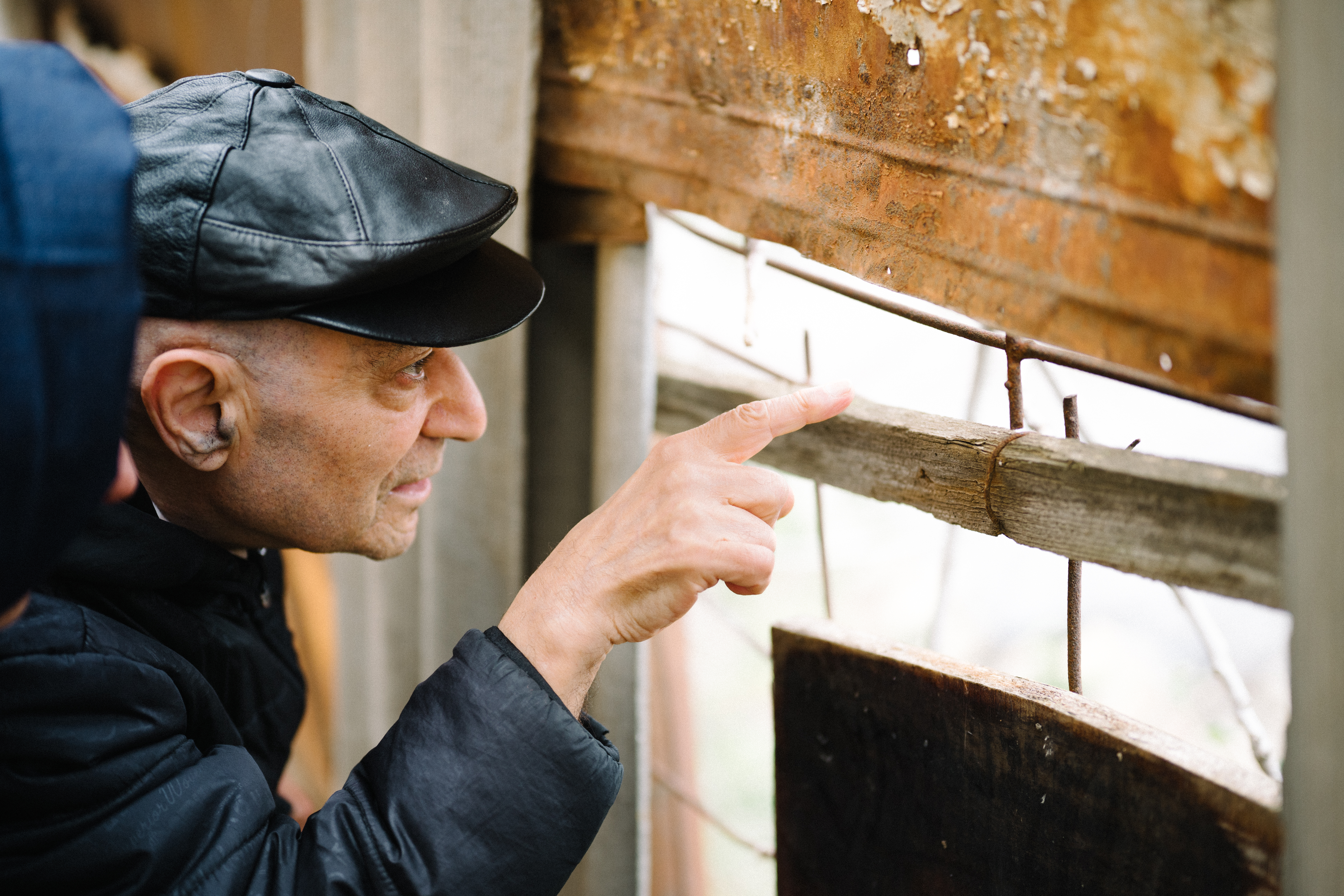
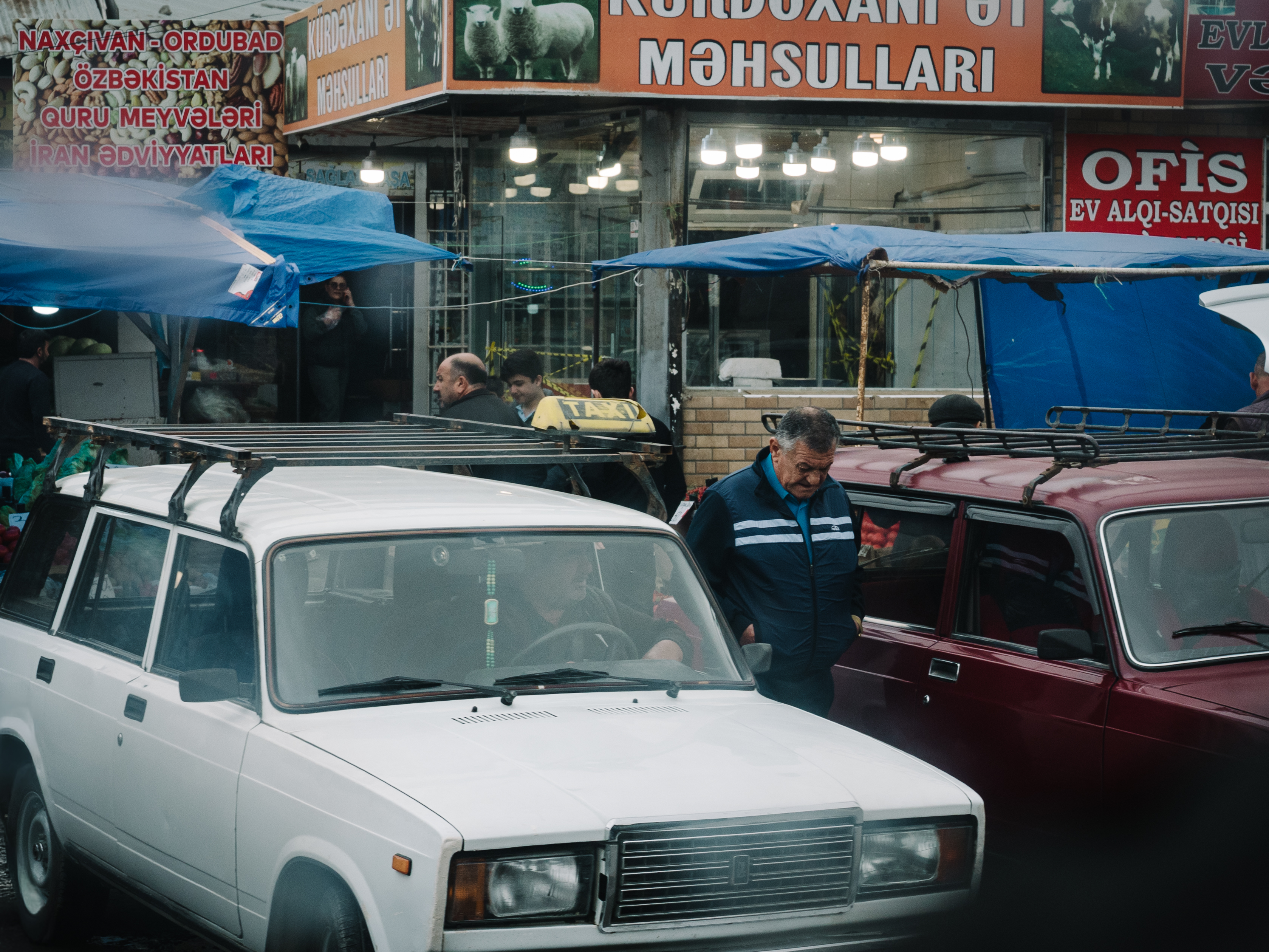
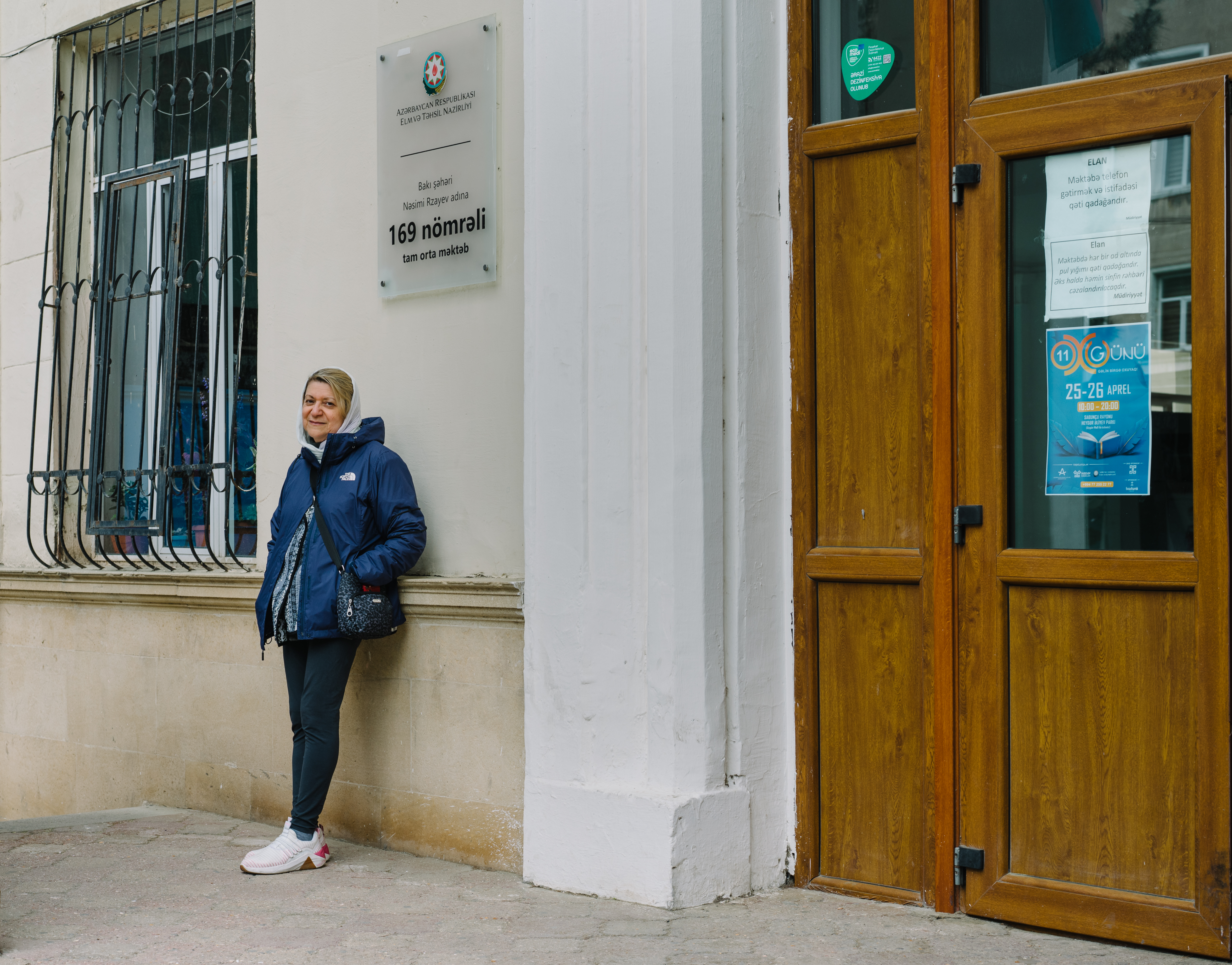
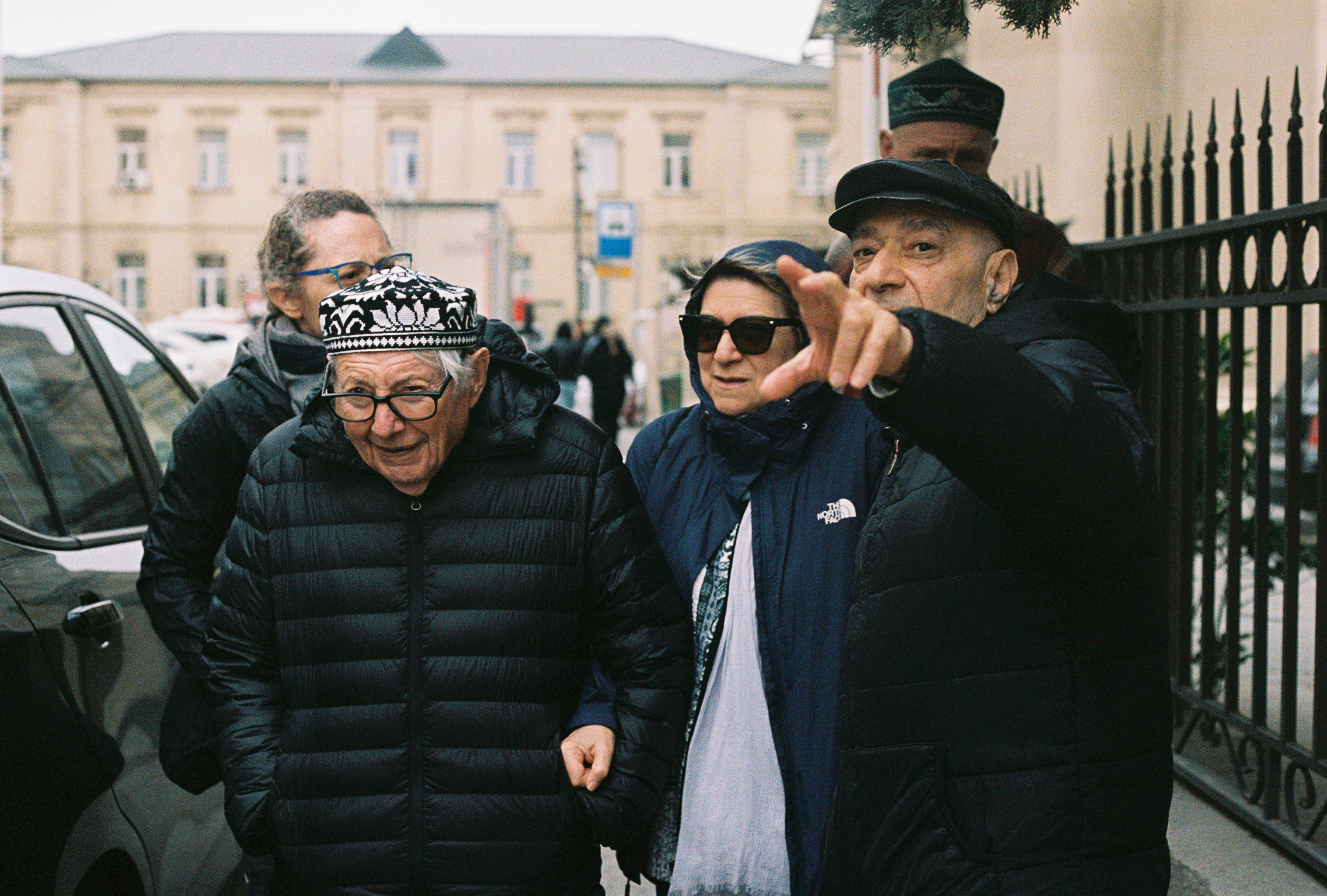
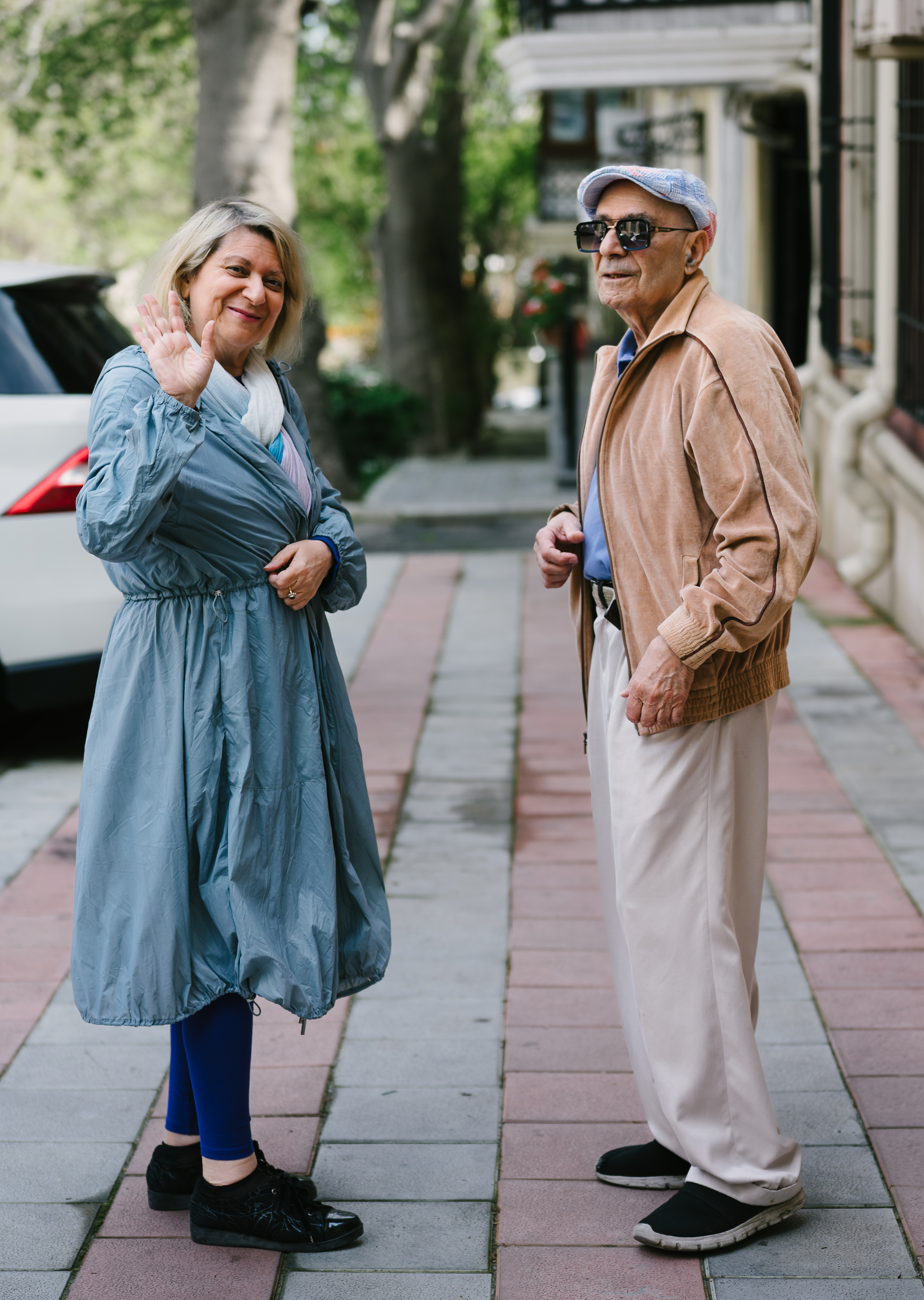
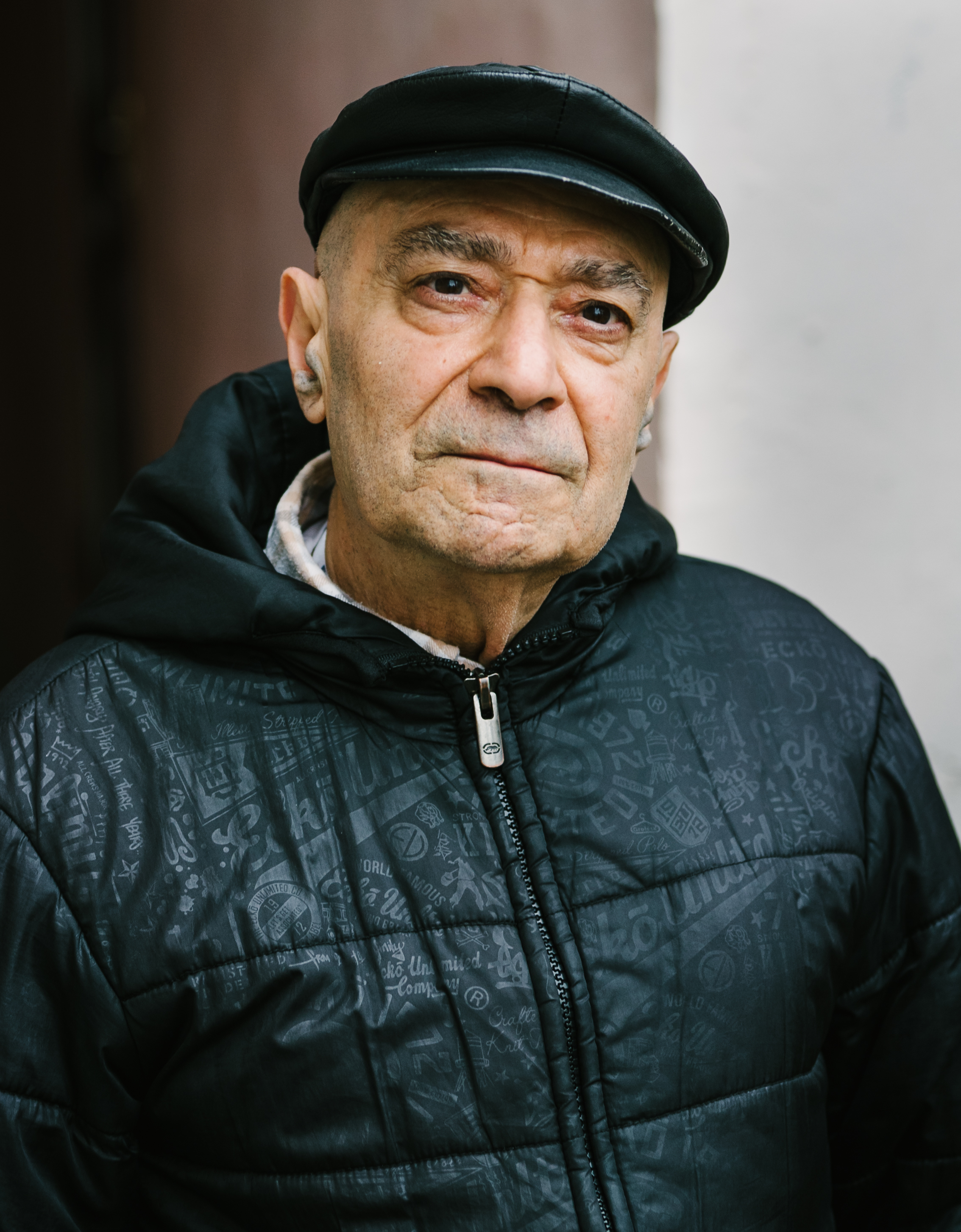
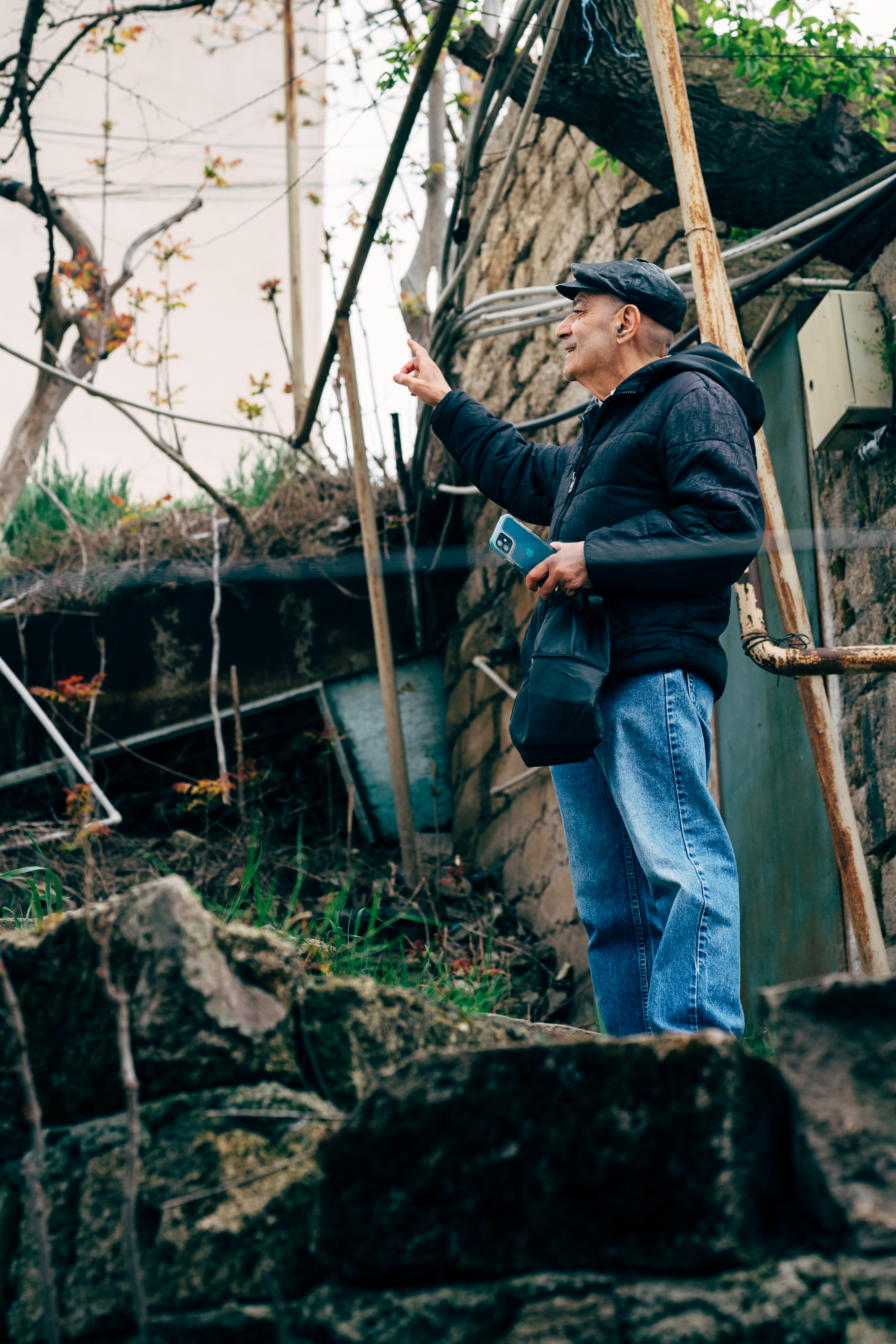
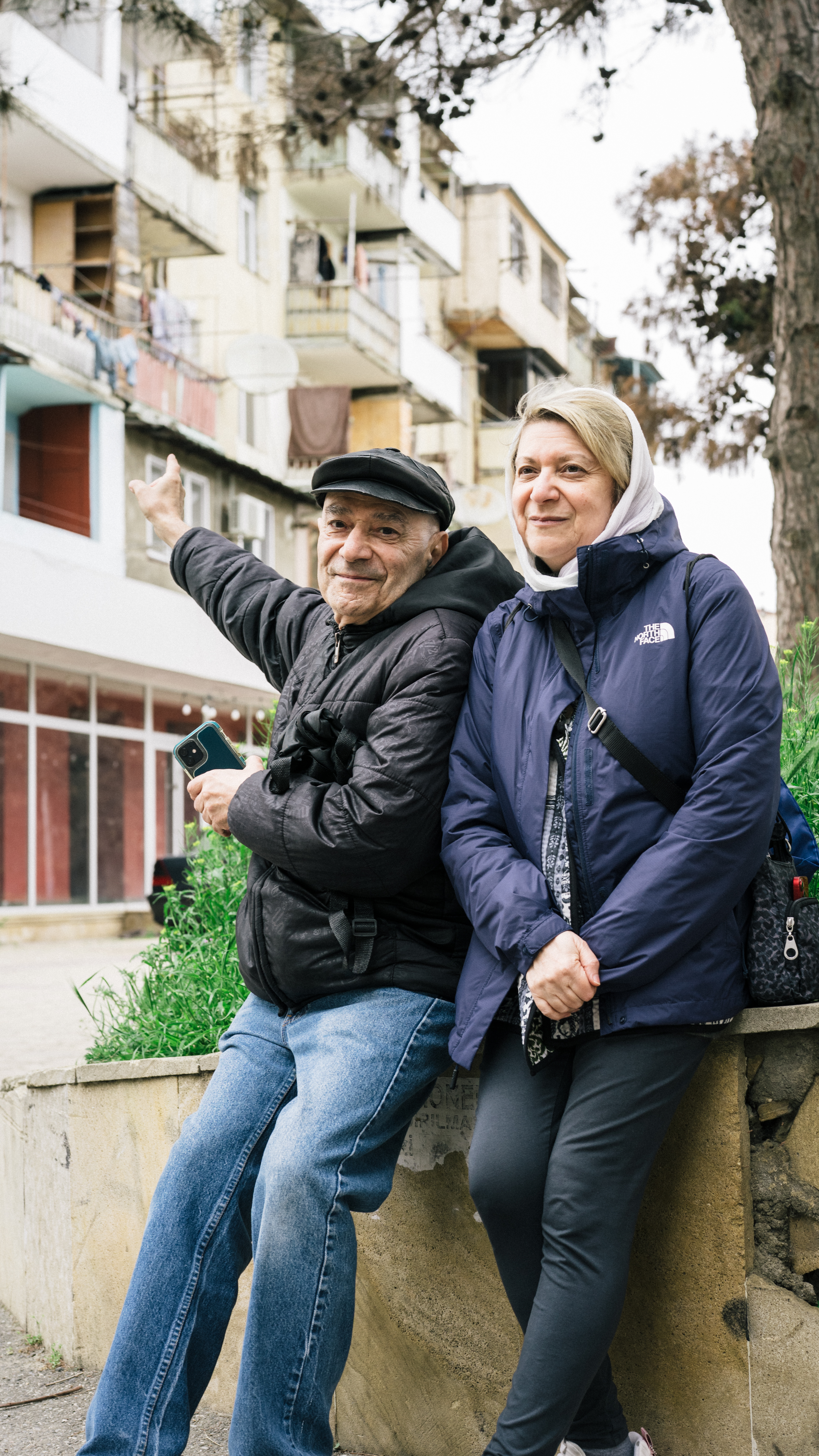
Seeing my mom and uncle in the place where they grew up was unforgettable. It felt as though I could see them as children and adults at the same time—and see them more fully themselves in public than I ever had before. For that, it may be one of the most important trips I’ve ever taken.